


How to prepare for the Anthropic IPO on Exness

Anthropic has filed for an IPO and, according to its public filing with the SEC, plans to list on the Nasdaq. If you’ve been following Anthropic IPO news, this guide explains what’s been reported, how CFD trading on a new listing works (including going short), how to get your account ready, and the limitations and risks to understand first.
This guide is educational, not a recommendation to trade, and takes no view on where the stock may go.
Key takeaways
- Anthropic has filed for an IPO. It plans to list on the Nasdaq, but no price range or date is set, and reported valuations are estimates.
- A CFD tracks the price of the shares but doesn’t give you ownership. You can go long or short, but the availability of short positions depends on Exness’s listing process.
- New listings often open unusually. Exchange auctions can delay the first trade for every broker.
- Prepare before listing day. Verify, fund, choose an account type, and practice on demo.
- Risks matter as much as opportunities. Expect volatility, wider spreads and changing hours, and remember Negative Balance Protection doesn’t stop deposit losses.
What's confirmed about the Anthropic IPO so far
Anthropic has filed a registration statement (Form S-1) with the US Securities and Exchange Commission (SEC). It says it plans to list its Class A shares on the Nasdaq under the ticker “ANT,” with Goldman Sachs and Morgan Stanley reported as lead banks.
The filing sets no share count or price range, and Anthropic hasn’t announced a pricing date or first trading day. Media reports have put the expected valuation in a wide, shifting range. These are estimates, not confirmed figures, and can change up until pricing day.
Until the IPO prices, Anthropic stock won't be publicly traded, so there’s no official Anthropic stock price. Any figure you see before then is only an estimate. Among new stocks on the market, Anthropic is one of the new technology stocks traders are watching.
Exness will offer the stock CFD soon after the IPO.
How CFD trading works on a newly listed stock, including going short
A contract for difference (CFD) lets you trade a stock’s price movement without owning the underlying shares. You can open a long (buy) position if you expect the price to rise, or a short (sell) position if you expect it to fall. You don’t hold the shares, so you don’t qualify for shareholder rights like voting or dividends.
CFDs offer access (you can trade the price from your Exness account without buying or owning the shares) and flexibility (you can go long or short, which is how you can short an IPO once the stock trades). But trading with leverage magnifies losses as well as gains, and you can lose all of your funds if you do not apply risk management strategies and techniques. A short position loses money if the price rises, so it carries the same risk as a long one.
How orders are executed
For stocks, Pro accounts use instant execution, which opens a trade at the price you request or approve, or not at all. Standard, Zero and Raw Spread accounts use market execution, which opens a trade at the current available price. See how order execution works at Exness.
Exness Terminal
Exness Terminal is our web-based trading platform, built to keep things simple without cutting back on tools. You get charts with plenty of indicators and drawing tools, one-click trading for quicker orders, and easy take profit and stop loss settings you can adjust right from the chart. Your balance, margin and account details update live, so you can keep an eye on your positions as the market moves.
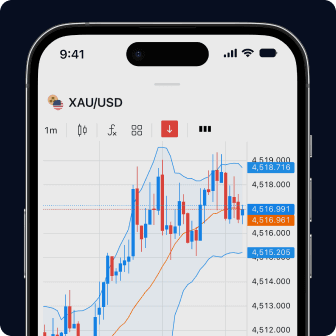
Every tool you need, all in one place
Chart, trade, and manage your funds—all from one user-friendly screen.
Negative Balance Protection
Negative Balance Protection is designed so you can’t lose more than the funds in your account. However, it doesn’t remove the risk of losing what you put into a trade.
Why new listings often see unusual first-day trading
Before the first trade of a new listing, the exchange runs an opening auction to find a starting price. On the Nasdaq, this is called the IPO cross: orders are collected and matched, an indicative price updates as demand changes, and the first trade prints once supply and demand balance.
This can take longer when demand is very high. According to reports, Google’s first trade in 2004 came around midday Eastern Time, Facebook’s in 2012 came around 11:30 ET, and in 2026 no SpaceX trade printed for more than an hour while the Nasdaq’s auction was underway.
Coverage attributes these delays to the exchange’s process, not to any broker’s execution. It’s market-wide and applies to every broker and platform, including Exness. The takeaway for traders is to know the mechanics: indicative prices aren’t trades, the first price may differ from the IPO price, and timing can’t be predicted. How and when a CFD opens at Exness depends on the underlying market and Exness’s listing process, so check the instrument trading hours once it’s live.
How to get your Exness account ready before a new listing
Preparing early means you don’t need to do everything for the first time on listing day.
- Verify your account in your Personal Area.
- Choose your account type. Stocks are available on Standard, Pro, Zero, and Raw Spread accounts. However, not every account type offers them, so check yours. Compare account types.
- Fund your account so you can trade without waiting for a deposit to clear.
- Practice on a demo account. Test your strategy with the Exness Terminal demo account without financial risk. Keep in mind that a demo can’t show how a new listing will behave in its first hours.
- Check trading hours. They’re subject to change in line with liquidity. The Help Center’s instrument trading hours article builds a schedule in your timezone showing when an instrument is open, close-only, quote-only, or unavailable. Servers follow UTC+0.
Searching for Anthropic pre IPO trading? Shares can’t be traded before they list, so it is a good idea to prepare your account in the meantime. Availability can also vary by region.
How to trade Anthropic?
Once Exness lists it, you’ll trade Anthropic as a stock CFD: find the instrument, choose position size and direction, review the order details, and place the order. Timing, including for short positions, depends on Exness’s listing process.

Where can we trade Anthropic once it becomes available?
Once Anthropic (ANT) lists on Nasdaq and becomes available on Exness, you can trade it on Exness Terminal, as well as on the many other platforms available on Exness.
The risks of trading a brand-new listing
These risks apply to any newly listed company and matter as much as the opportunities above. This section isn’t a recommendation and takes no view on direction.
Volatility: Prices can move sharply in the first hours or days, independent of the company’s fundamentals. CFDs are leveraged, meaning you can lose all your funds.
Wider spreads: Exness aims to offer stable spreads, but a new listing is different. Spreads may be wider than usual while liquidity is still forming, raising the cost of opening and closing positions. The spread can fluctuate and widen due to multiple factors, including market volatility and liquidity, news releases, economic events, when markets open and close, and the instruments being traded. Check the live price and instrument specifications in Exness Terminal before you trade, so you know the cost upfront.
Execution uncertainty: Exness is built for fast, reliable execution, but during fast-moving markets the price you see may not be the price you get. For Stocks CFDs, Exness’ Pro accounts use instant execution, so an order may not open if the price moves first. Standard, Zero, and Raw Spread accounts use market execution, which fills at the current available price, which can differ from the one you saw. Delays and slippage can occur, and execution times and prices can vary with market conditions. Learn more about how order execution works at Exness.
Product limits: Exness may set limits specific to a new listing, such as leverage, position size, and whether or not short positions are available from day one. Stop out levels for stocks may also differ. Check the instrument specifications before you trade.
Trading hours: Trading hours are subject to change in line with liquidity. Check the Help Center’s instrument trading hours article for your timezone.
Negative Balance Protection doesn’t protect your funds, so you can still lose everything you’ve deposited.
Use the Exness calculator to estimate margin and costs before you trade. On a new listing, prices can move faster than any estimate.
FAQ
Is Anthropic publicly traded?
No, Anthropic isn’t publicly traded yet. It has filed a Form S-1 with the SEC and plans to list on the Nasdaq under the ticker “ANT”.Its shares can’t be traded until the IPO prices, so there is no official Anthropic stock price.
When is Anthropic going public?
The Anthropic stock IPO has no confirmed date yet. Anthropic hasn’t announced a pricing date or first trading day, so any timing you read is reporting, not a confirmed date.
Will I be able to short the stock through Exness?
Exness CFDs let you open short positions, but we can’t yet confirm shorting will be available on this instrument from day one. Availability and timing depend on Exness’ listing process.
Why do newly listed stocks sometimes take time to start trading?
The exchange runs an opening auction to set a starting price before the first trade, and for high-demand IPOs, matching orders can take longer. It’s market-wide and applies to every broker.
How can I prepare my account before a new listing?
Verify and fund your account, choose an account type, practise long and short orders on a demo account, and check the Help Center’s instrument trading hours article.
How to trade Anthropic?
Once Exness lists it, you can trade Anthropic as a CFD by opening a long or short position on its price movement without owning the shares. You can’t trade it before it lists, and a new listing carries risks such as volatility and wider spreads.
Can you short an IPO?
You can’t short a stock before it trades, but once it’s trading, you may be able to short it with CFDs, depending on the broker and instrument. Shorting a new listing is risky because prices can move sharply either way.
This article does not constitute investment advice. Past performance is not indicative of future results. The information, data, prices, and market conditions presented in this article are accurate as of the publication date and may change over time. Your capital is at risk. Please trade responsibly.